Advanced renal care focused on renal preservation, metabolic balance, and long-term management of kidney disorders.
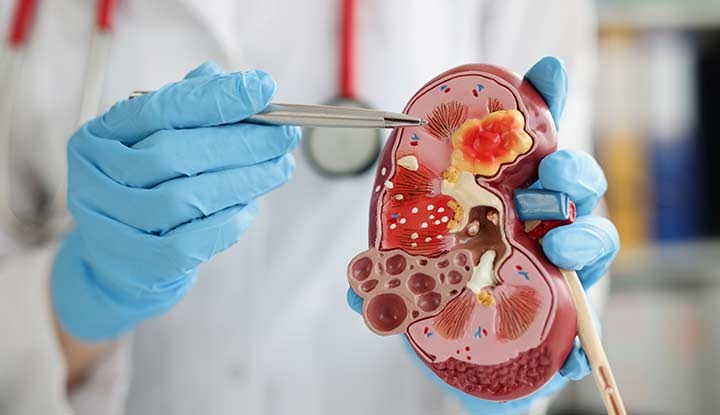
Chronic Kidney Disease (CKD) is a progressive condition characterized by gradual and irreversible loss of kidney function over time. As kidney function declines, the body's ability to eliminate metabolic waste, regulate fluid and electrolyte balance, and maintain hormonal homeostasis becomes impaired. CKD commonly develops due to diabetes, hypertension, recurrent infections, glomerular disorders, kidney stones, and chronic inflammation. Common symptoms include fatigue, swelling, loss of appetite, nocturia, foamy urine, hypertension, and declining renal function. Without timely intervention, CKD may progress to end-stage kidney disease requiring dialysis or transplantation.
Diabetic Kidney Disease (DKD) is a major complication of diabetes resulting from chronic hyperglycemia-induced damage to renal microvasculature and glomerular structures. Persistent metabolic stress triggers inflammation, oxidative damage, protein leakage, and progressive nephron loss. Early disease may remain asymptomatic, while advancing stages are associated with albuminuria, declining GFR, edema, hypertension, and increased cardiovascular risk. DKD remains one of the leading causes of chronic kidney failure globally.
Albuminuria refers to the abnormal leakage of albumin into the urine and is often one of the earliest indicators of kidney damage. It occurs due to increased permeability of the glomerular filtration barrier and is commonly associated with diabetes, hypertension, inflammation, and chronic kidney disease. Persistent albuminuria is not only a marker of renal injury but also a predictor of cardiovascular complications and progressive loss of kidney function.
Kidney stones are hard mineral deposits that form within the kidneys due to abnormalities in urine composition, hydration status, metabolic disturbances, or recurrent infections. Patients may experience severe flank pain, blood in urine, urinary obstruction, recurrent infections, and renal tissue injury. Recurrent stone disease can contribute to chronic inflammation, kidney damage, and long-term decline in renal function if not adequately managed.
At Himeros Pharma, kidney disorders are approached as complex systemic conditions influenced by metabolic dysfunction, inflammation, oxidative stress, cardiovascular health, nutritional status, and alterations in the gut–kidney axis. We recognise that CKD, DKD, albuminuria, and kidney stone disease often coexist and progressively impact overall health and quality of life. Our focus is on delivering science-driven, patient-centric solutions that support renal preservation, metabolic balance, nutritional health, and long-term disease management.
Our therapies are designed to support nephron preservation, reduce protein loss, maintain metabolic balance, and help slow the progression of kidney impairment across various stages of renal disease. Nutritional strategies incorporating alpha-ketoanalogues can complement dietary protein management in appropriate patients with CKD by providing essential amino acid precursors while helping reduce the nitrogenous metabolic burden associated with protein metabolism.
We focus on key pathological drivers including oxidative stress, chronic inflammation, endothelial dysfunction, toxin accumulation, and metabolic disturbances that contribute to ongoing renal injury and disease progression. Recognising the important relationship between intestinal health and kidney function, our approach also considers probiotic support to help maintain a balanced gut microbiota and support gastrointestinal health, an area increasingly recognised as relevant to the gut–kidney axis in CKD.
CKD management often requires careful attention to protein intake, nutritional adequacy, and accumulation of nitrogenous waste products. Alpha-ketoanalogues form an important nutritional approach in selected CKD patients following an appropriate low- or very-low-protein dietary regimen, helping provide essential amino acid precursors while supporting nutritional requirements and metabolic balance. Our integrated approach aims to address the nutritional challenges associated with progressive renal impairment.
Our approach supports patients facing albuminuria, diabetic kidney damage, kidney stone recurrence, electrolyte imbalance, nutritional deficiencies, and associated cardiovascular risks through integrated therapeutic strategies. Probiotic interventions may also complement renal care by supporting intestinal microbial balance and gastrointestinal well-being, particularly as the gut–kidney relationship becomes increasingly recognised in chronic renal disease.
Recognising the lifelong nature of many kidney disorders, we prioritise therapies and nutritional strategies that support treatment adherence, nutritional health, symptom control, and sustainable long-term outcomes. Through evidence-based approaches encompassing renal preservation, metabolic and nutritional support, and gut health, we aim to empower healthcare professionals and patients in the long-term management of kidney health.