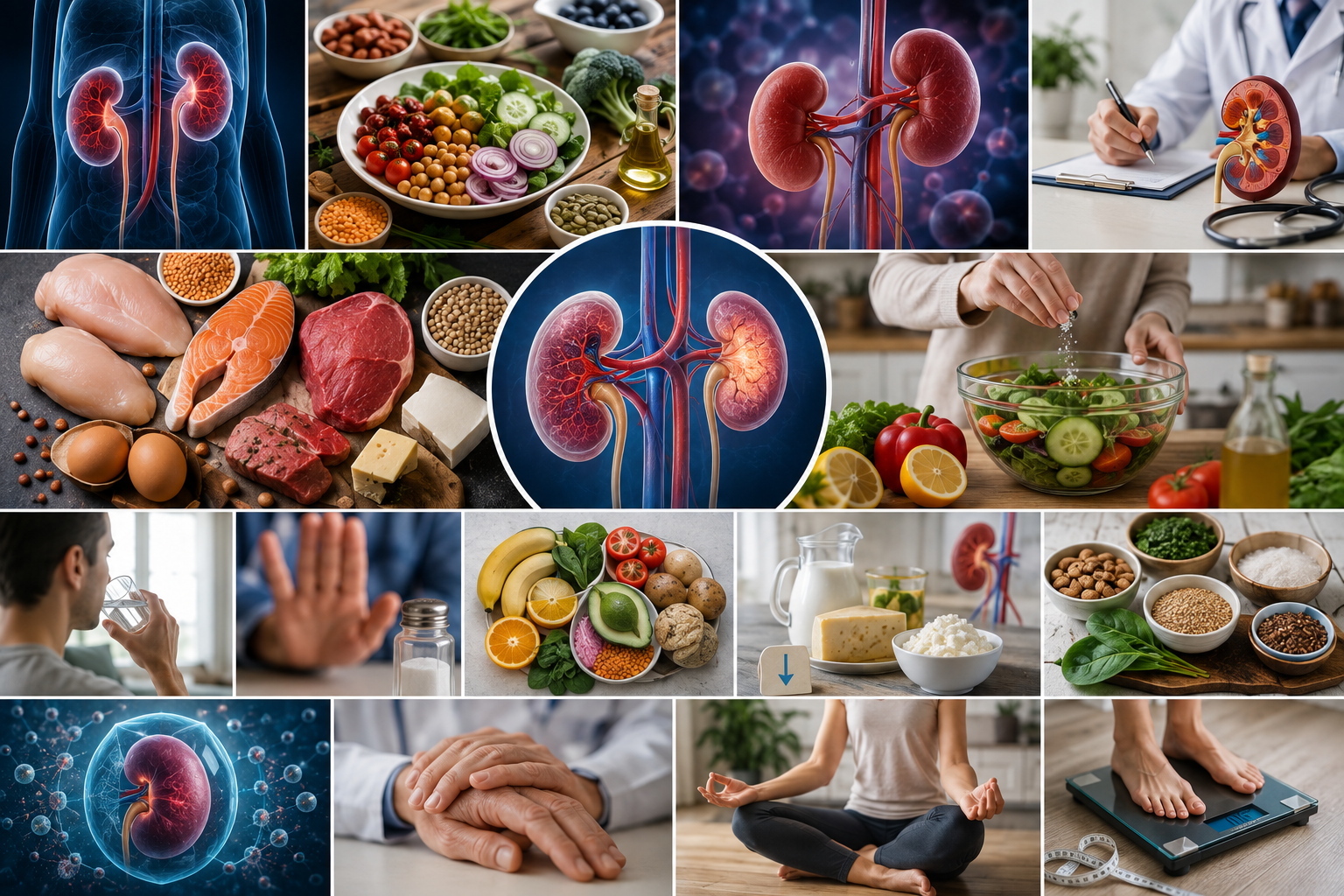
The human kidneys are remarkable metabolic filters, processing roughly 200 quarts of blood daily to eliminate waste and maintain essential fluid balance. However, when chronic kidney disease (CKD) develops, this intricate filtration system suffers structural damage (Kramer, 2019). Because the kidneys play a distinct role in processing nutrients, losing this filtration capacity impairs the body's ability to excrete solutes and maintain essential internal balance (Molina et al., 2021).
Historically, kidney care heavily favored late-stage interventions, such as dialysis. Today, standard clinical guidelines—including the updated National Kidney Foundation's KDOQI framework—recognize that targeted medical nutrition therapy is a powerful tool to slow down kidney decline and optimize vascular, hormonal, and neuronal health (Molina et al., 2021).
One of the most critical aspects of managing CKD through nutrition involves monitoring daily protein intake. When we digest protein, the body breaks it down into nitrogenous waste products like urea and creatinine, which the kidneys must filter out (Ladsten & Sarakatsannis, 2019).
A high-protein diet—especially one dominant in animal proteins—forces the kidneys to work overtime. This metabolic stress triggers direct vasodilation of the incoming renal arterioles, forcing a heavy surge of blood into the filtering units (Apetrii et al., 2021). This surge creates a state of glomerular hypertension and hyperfiltration, which speeds up the destruction of remaining healthy nephrons (Apetrii et al., 2021).
To prevent this injury, clinical guidelines for non-dialysis patients generally recommend restricting daily protein intake to a controlled range of 0.6 to 0.8 grams per kilogram of body weight (Borana, 2025; Ladsten & Sarakatsannis, 2019).
As filtration rates drop, the kidneys struggle to regulate vital minerals, requiring strategic dietary adjustments:
Modern renal nutrition is steadily shifting away from strict, overly restrictive diets toward beneficial plant-dominant dietary patterns, such as the Mediterranean or plant-focused DASH diets (Borana, 2025).
Choosing plant-based proteins over animal-derived meats offers key therapeutic advantages. Plant proteins produce a much lower net endogenous acid load, which prevents metabolic acidosis and eases the workload on the kidneys (Kramer, 2019). Additionally, plant-based diets naturally lower blood pressure, reduce inflammation, and help manage the systemic metabolic waste accumulation that leads to uremic symptoms (Apetrii et al., 2021).
While restricting certain nutrients is crucial to protect the kidneys, restriction must be managed carefully. Cutting back too aggressively can lead to Protein-Energy Wasting (PEW)—a severe state of malnutrition marked by muscle wasting and systemic inflammation (Kim & Jung, 2020). PEW significantly increases hospitalization rates and overall mortality in kidney patients (Kim & Jung, 2020).
Because every individual presents a unique metabolic profile, there is no one-size-fits-all solution. Managing kidney health effectively requires a personalized approach that balances necessary nutrient restrictions with adequate caloric intake to preserve vital lean muscle mass (Molina et al., 2021). Partnering with a specialized renal dietitian allows patients to safely navigate these dietary adjustments, protecting their long-term health and vitality.